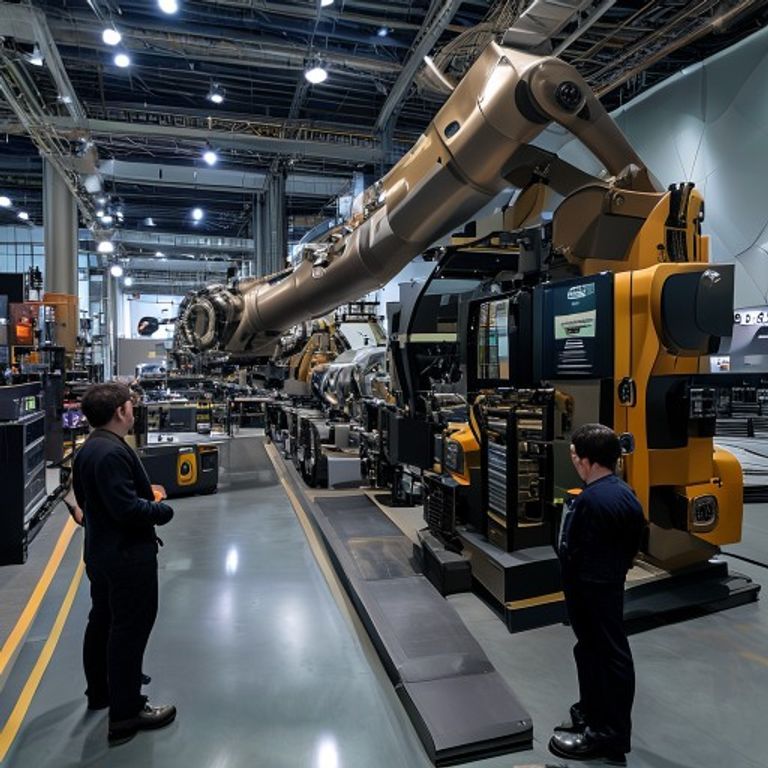
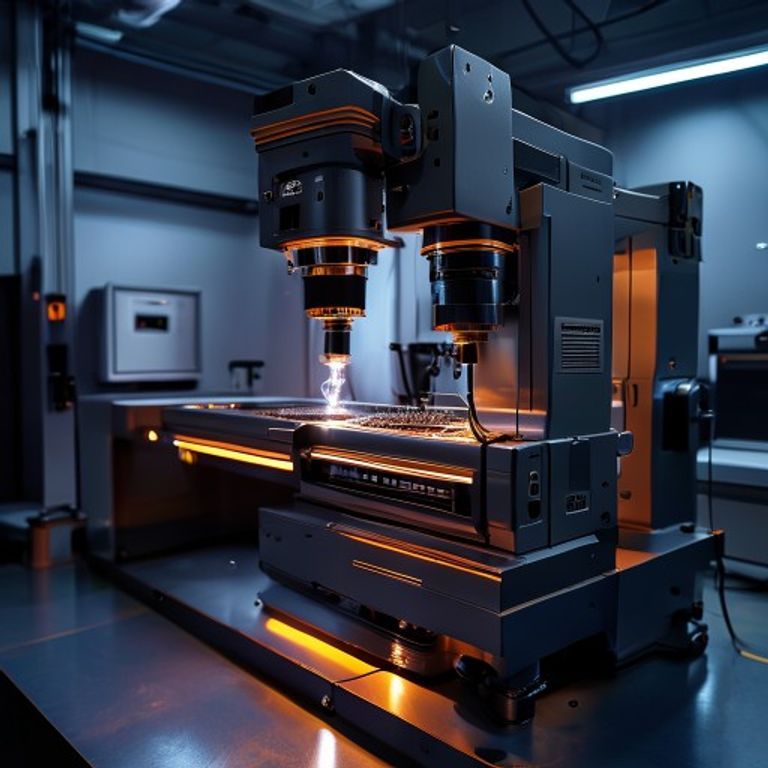
Our latest technical brief explores how active thermal compensation maintains tolerance integrity across multi-hour mold cavity machining cycles.
Long-cycle mold cavity machining presents one of the most demanding tests of a machine tool's geometric stability. Across cycles lasting many hours, even small thermal variations in the spindle, ball-screws and structural castings can accumulate into tolerance-breaking dimensional drift.
This technical brief explores how Manford's active thermal compensation system addresses these challenges:
1. Spindle thermal monitoring with predictive compensation
2. Ball-screw temperature feedback and dynamic axis adjustment
3. Structural casting thermal modeling based on cycle phase
4. Linear scale feedback to verify compensated position
Download the full technical brief from our Resources section or contact our application engineering team to discuss your specific long-cycle machining challenges.